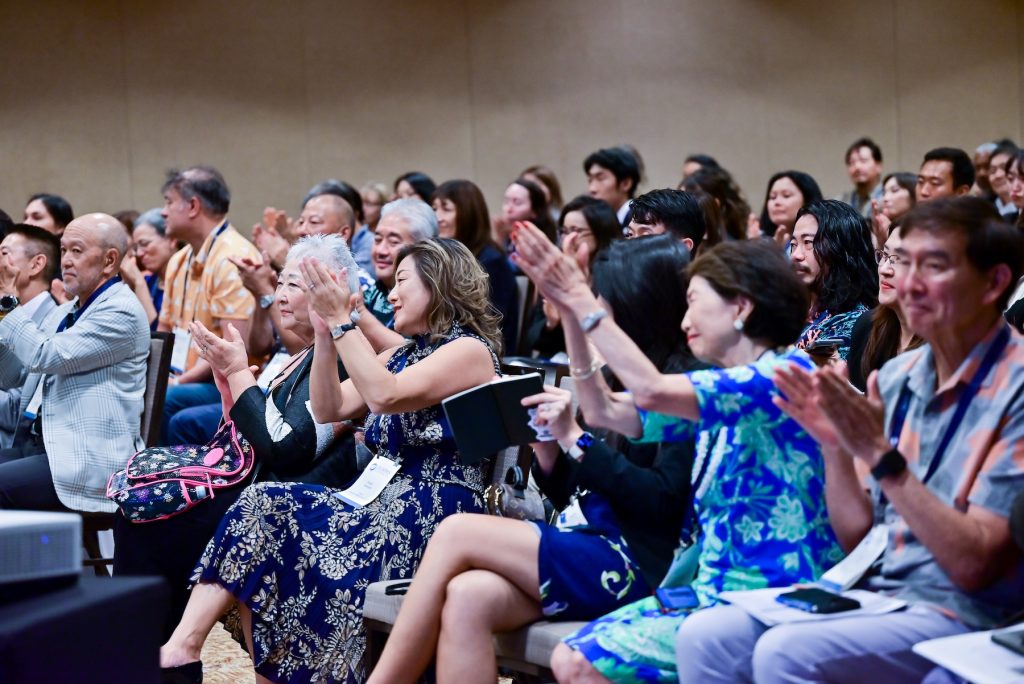
On October 15, the U.S.-Japan Council hosted the session “Women of Purpose: Leading and Connecting Across the Pacific” centered on the imperative for leaders, particularly those of Japanese and Japanese American heritage, to find their authentic voice and purpose. The discussion emphasized that driving progress in the U.S.-Japan bilateral relationship and beyond requires embracing the vulnerability of stepping into uncomfortable situations.
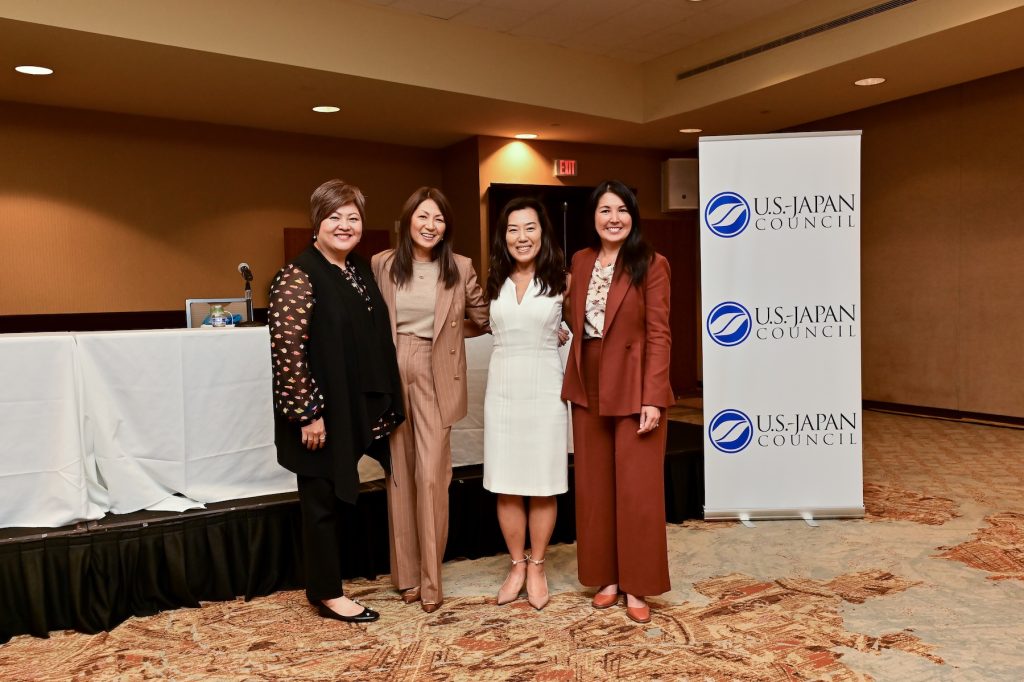
Moderator Lori Teranishi, CEO and Founder of iQ 360, opened the session by introducing the theme of brave leadership and the necessity for Japanese and Japanese Americans to project their full personalities globally to effectively influence U.S.-Japan outcomes. The panelists brought diverse perspectives shaped by their unique career trajectories and leadership philosophies.
Jin Montesano, Director, Representative Executive Officer, Executive Vice President, and Chief People Officer at LIXIL Corporation, advocated for an “outsider’s lens” leadership style that focuses on hiring smarter people, clearing bureaucratic obstacles, and maintaining radical honesty during crises. Her purpose links business strategy with social good, notably through the LIXIL Foundation’s global sanitation work. Shelee Kimura, President and CEO of Hawaiian Electric, defined her “North Star” as creating a better future for Hawaii. Her leadership, severely tested during the Maui wildfires, is grounded in humility and a commitment to core values, rejecting “corporate speak” for honest, personal communication. Yoshimi Shinohara, Chairperson of the Shinohara Foundation, detailed her transition to “purpose-driven, authenticity-driven leadership” following a corporate buyout. She highlighted turning the threat of losing top talent into a strategic advantage by becoming an early adopter of AI and machine learning.
The discussion consistently highlighted that purpose serves as a vital North Star during times of extreme crisis and disruption. A key shared insight was the challenge of overcoming imposter syndrome and the need to prioritize authenticity and trust over external validation for effective leadership. This directly supports the U.S.-Japan Council mission by demonstrating that strengthening U.S.-Japan relations requires leaders to have clarity of purpose, vulnerability, and the bravery to speak out.Thank you to our exceptional panelists, Jin Montesano, Shelee Kimura, and Yoshimi Shinohara, and our moderator, Lori Teranishi, for sharing their profound insights and experiences.