Philanthropy in Japan: Evolution and Opportunities
Date & Time: Mon April 27, 7pm ET / Tues April 28, 8 am JST
Registration: Please contact [email protected] if you are interested in attending. Open to all USJC members.
Just as in the United States, foundations and nonprofits play an important role in addressing social challenges in Japan. But as we learned with the nonprofit sector in our January webinar, there are significant distinctions in the history, structure, and practice of philanthropy between the United States and Japan.
In this program, Haruto will provide a brief overview of philanthropy in Japan and how it is evolving, a comparison to philanthropy in the United States, and bright spots and examples of innovation in Japanese philanthropy. He will also share how the United States-Japan Foundation is seeking to strengthen philanthropy in Japan. There will be time for small group discussion and Q&A.
This session will be helpful to those seeking to start or increase their philanthropy in Japan, seek funding from Japanese sources, establish social sector partnerships, or just learn more about the context and culture of monetary giving in Japan.
Featured Speaker
Haruto Okabe
Japan Representative, United States-Japan Foundation
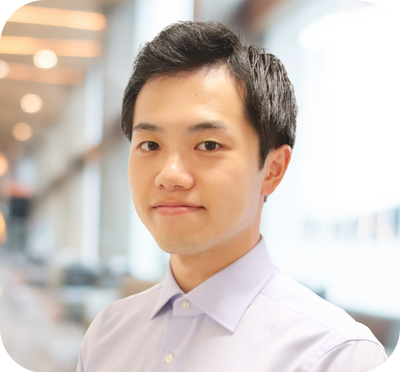
After graduating from the University of Tokyo, Haruto worked at Bain & Company’s Tokyo and Dubai offices, where he was engaged in advising on management issues for government agencies, private companies, and nonprofits. While working on pro bono consulting and knowledge dissemination in the company’s social impact activities, he
keenly realized that there was a lack of systematic knowledge on social impact in Japan, so he pursued a graduate degree at Harvard University’s Kennedy School of Government.
Through his study at the Kennedy School, he was convinced that the quantitative and qualitative lack of “philanthropy,” which uses private funds such as donations and grants to solve social issues, is a major factor in the slow pace of social change in Japan.
Since June 2025, he has been working at the United States-Japan Foundation, aiming to strengthen the nonprofit and philanthropy ecosystem in Japan and supporting long-term social impact through grants to partner organizations.
In addition to his foundation role, he has also participated in several grassroots activities, such as being a director of the Japanese nonprofit CLACK, which provides digital and AI education opportunities for teenagers facing challenges such as financial hardship and chronic school absenteeism, and serving as a collaborative researcher at Kyoto University, accelerating social change from both macro and micro perspectives.